
Tenant Representation
Compare locations for a new store, relocation or expansion. Evaluate customer access, visibility, permitted use, improvements and total occupancy cost.
Explore Tenant Representation →
The right location. A stronger business decision.
Strategic advice for businesses, owners and investors evaluating storefronts, restaurants, specialty uses and retail investments.
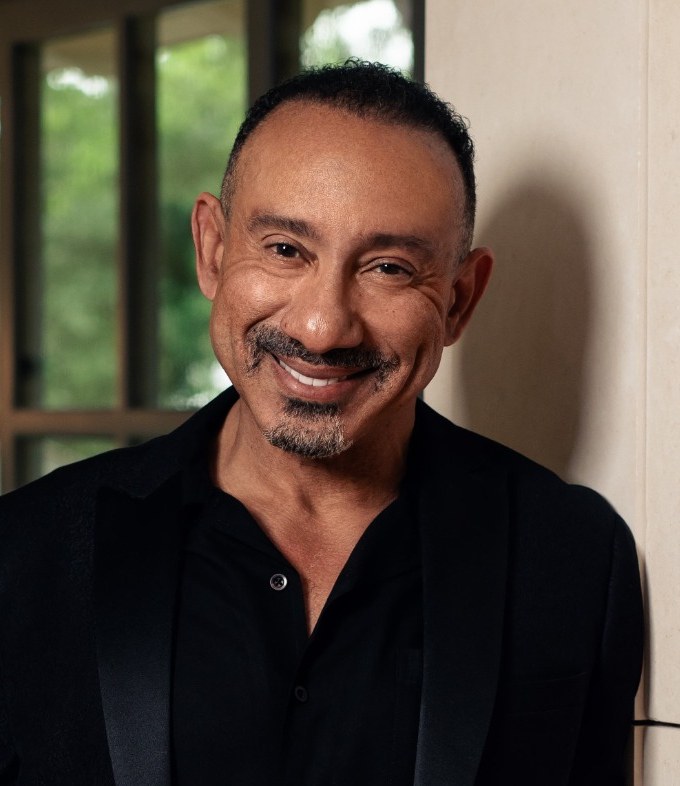
Greg Cooper provides Austin retail real estate services for tenants, landlords, buyers and investors, including leasing representation, acquisitions, dispositions, investment advisory and restaurant or specialty-use assignments. The work connects trade area, access, visibility, parking, property condition and occupancy costs to the business model or ownership strategy behind the transaction.
A retail location needs to work for the business and its customers. Visibility alone does not settle the decision: access, parking, neighboring uses, delivery condition and the cost of opening all belong in the analysis.
Greg connects those operational questions with the real estate terms. For owners and investors, the discussion also considers tenant fit, lease structure, future capital needs and the property’s positioning.
About Greg Cooper →
Choose the service that fits your next retail decision.
Compare locations for a new store, relocation or expansion. Evaluate customer access, visibility, permitted use, improvements and total occupancy cost.
Explore Tenant Representation →Position your property for compatible retail users. Align marketing, tenant evaluation, improvements and lease terms with the ownership plan.
Explore Landlord Representation →Evaluate an owner-user purchase or investment through site functionality, condition, tenancy, operating costs and acquisition terms.
Explore Buy Retail Property →Prepare a clear offering and sale strategy around the property’s location, income, lease structure and likely buyer requirements.
Explore Sell Retail Property →Analyze income, lease rollover, tenant exposure and capital needs. Compare hold, acquisition and disposition alternatives.
Explore Investment Advisory →Evaluate spaces with specialized operating needs, including restaurants and service uses. Coordinate property review around access, infrastructure and build-out.
Explore Restaurant & Specialty Retail →Review the retail market through vacancy, rents, supply and investment context. Connect the broader research to the customer base, competing locations and economics of the specific property you are considering.
Read the Retail Report →Start with the decision, then work through the property and transaction details.
Yes. Retail tenant and landlord representation are separate services, with the client’s role and objectives defined for each assignment.
Compare the customer base, access, visibility, parking, neighboring uses, delivery condition and total occupancy cost. The strongest location depends on how the business attracts and serves its customers.
Restaurant spaces may require specialized ventilation, grease management, utilities, loading and layout. Existing improvements should be evaluated with the appropriate design and technical professionals before committing to the space.
Yes. An owner-user search compares the operating fit of the property with purchase costs, repair or improvement needs, financing considerations and the business’s longer-term plans.
Review lease terms, tenant exposure, expense responsibilities, rollover, property condition and likely capital needs. Evaluate the income stream alongside the property’s ability to serve future users.
Share the business or property type, location priorities, size requirements, budget and timing. For an existing property, include available lease and operating information so the conversation can focus on the decision.
Share your retail concept, property or investment goal. Start with the location, timing and economics that need to work.